Drip Trays & Milk Collectors
Breast milk is precious, including the milk that leaks naturally during or between feeding sessions. With milk collection shells and milk collectors, you can easily catch this breast milk. From traditional milk collection shells and a compact milk collector to the Youha POD and colostrum collectors: discover which method of milk collection best suits you and your breastfeeding period.

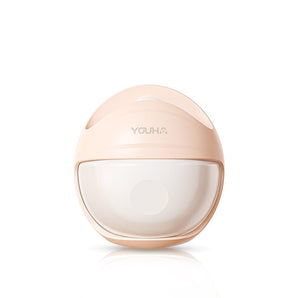 POD - Portable Milk Collector €29,95 /
 Milk Collection Shells (2 pieces) €19,95 /
 Colostrum collectors €13,95 /
 Breast milk collector with plugger €14,95 /


Milk collection shells and milk collectors for collecting breast milk
During the breastfeeding period, your breasts may leak milk. For example, when your baby is feeding from the other breast, between two feeding sessions, or when your let-down reflex is stimulated. A milk collection shell or milk collector can help catch this breast milk. Within the Youha range, you will find various solutions for milk collection. Which one is most suitable depends on when you want to collect the milk and what you want to use the collector for. There are traditional milk collection shells that can be worn in a bra, milk collectors for collecting milk during feeding, and special colostrum collectors for storing small amounts of the first breast milk.
What is the difference between a milk collection shell and a milk collector?
Although the terms milk collection shell and milk collector are often used interchangeably, their applications can differ. A traditional milk collection shell is usually worn in the bra and collects milk that leaks from the breast. This can be pleasant if you frequently experience leaking breasts and don't want to lose the milk.
A milk collector is often used during a feeding or pumping session. For example, while your baby is feeding from one breast, milk may be released from the other breast. A milk collector can catch this milk.
Some milk collectors also use a light vacuum. This keeps them in place against the breast and, in addition to collecting leaking milk, they can also apply light pressure to the breast.
Which milk collector is right for me?
There isn't one milk collector that is most suitable for every mother and every moment. That's why Youha offers various solutions.
Traditional milk collection shells
Milk collection shells are worn in the bra and are primarily intended for collecting breast milk that leaks spontaneously from the breast. They provide a reusable alternative if you want to collect leaked milk instead of letting it soak into nursing pads.
Milk collector with sealing cap
A milk collector with a sealing cap is useful if you want to collect milk from the other breast during a feeding session. Thanks to the sealing cap, the collected milk can be kept safe more easily after use until you pour it off or process it.
Youha POD
The Youha POD was developed as a compact solution for collecting breast milk. The POD is placed on the breast and can be used, for example, when feeding from the other breast.
This allows you to easily collect milk that might otherwise be lost during your let-down reflex.
Colostrum collectors
Colostrum is the first breast milk your body produces and is already made during pregnancy. Because colostrum is concentrated and often collected only in small amounts, special colostrum collectors are available for this purpose.
These small collectors are designed to easily collect, store, and later use drops of colostrum.
The advantages of a milk collector
A milk collection shell or milk collector can be a simple addition during the breastfeeding period. The main advantages are:
- Less milk goes to waste: milk that leaks during feeding or throughout the day can be collected.
- Easy to use: no electric breast pump is needed to collect leaking milk.
- Reusable: many milk collection shells and milk collectors can be reused after cleaning.
- Convenient during feeding: while your baby is feeding from one breast, you can collect milk from the other side.
- Various applications: there are solutions for leaking breast milk, collecting it during feeding times, and gathering small amounts of colostrum.
A milk collector is therefore not by definition a replacement for a breast pump. A breast pump is designed to actively express milk, while a milk collector is primarily intended to catch milk that is released.
Collecting milk during breastfeeding
Many mothers notice that when their baby feeds from one breast, milk can also leak from the other breast. This is because the let-down reflex can affect both breasts.
It is precisely at such a moment that a milk collector can be practical. You place the collector on the breast your baby is not feeding from and catch the milk that is released during feeding.
The amount of milk you collect this way varies per person and even per feeding session. A small amount of collected milk therefore does not automatically say anything about your total milk production.
Collecting colostrum during pregnancy
Colostrum is the first breast milk and is already produced during pregnancy. It is normal for only small drops to be available. Therefore, small collectors or syringes are usually used for collecting colostrum.
If you consciously want to collect colostrum during pregnancy, first discuss with your midwife or other involved healthcare professional when this would be advisable in your situation. It is often advised to start hand expressing only from about 36–37 weeks of pregnancy. Do not use an electric breast pump for this during pregnancy, unless a healthcare professional advises otherwise in your specific situation.
What should you pay attention to when buying a milk collector?
First, consider what you want to use the collector for. Do you mainly want to collect leaking milk in your bra? Then a traditional milk collection shell can be practical. Do you want to collect milk from the other breast during feeding? Then a milk collector may be more suitable for your situation.
Also, pay attention to:
- the material that comes into contact with the breast and breast milk;
- comfort and fit;
- the capacity of the collector;
- how easy it is to clean;
- whether the collector is sealable;
- how the collector stays on the breast.
Different requirements apply to colostrum. Since usually small amounts are collected, a special colostrum collector is more suitable than a large milk collector.
Youha Milk Collection Shells and Milk Collectors
Youha develops products that support mothers during various stages of breastfeeding and pumping. In addition to breast pumps, the range therefore includes various products for breast care, milk collection, and storing breast milk.
Within this collection, you can choose from different types of milk collection shells and milk collectors. This allows you to choose a product that suits your situation: from daily collection of leaking breast milk to collecting colostrum.
Youha also collaborates with lactation consultants, midwives, and other healthcare professionals. From this practical experience, we know that breastfeeding is different for every mother. Therefore, we believe it is important not only to offer products but also to provide clear information about their use and the differences between the various solutions.
What do experts say about collecting breast milk and colostrum?
When collecting breast milk, hygiene, correct use, and safe storage are important. Especially if you want to give the collected milk to your baby later, it is important to properly clean a milk collector and store the breast milk according to the applicable storage guidelines.
For collecting colostrum during pregnancy, healthcare professionals also advise carefully considering when to start. Manual collection is generally only advised in the last weeks of pregnancy. In certain situations, for example, when there is an increased risk of preterm birth, different advice may apply. Therefore, always discuss colostrum collection with your midwife if you have any doubts.
Frequently asked questions about milk collection shells and milk collectors
We answer the most frequently asked questions about milk collection shells, milk collectors, and collecting breast milk.
What is a milk collector?
A milk collector is a tool that allows you to collect breast milk that is released from the breast. This can happen, for example, when your baby is feeding from the other breast. Depending on the model, the collector either only catches leaking milk or uses a light vacuum to hold the collector against the breast.
What is the difference between a milk collector and a breast pump?
A milk collector is primarily intended for collecting released breast milk, while a breast pump actively uses vacuum cycles to express milk from the breast. Therefore, a milk collector is not automatically a replacement for an electric or manual breast pump. In our blog 'pumping explained', we tell you more about breast pumps.
Can I store breast milk from a milk collection shell?
Whether you can store collected milk and later give it to your baby depends, among other things, on how the milk was collected, how clean the milk collection shell or collector was, and how long and under what conditions the milk was stored. Therefore, always follow the applicable hygiene and storage recommendations for breast milk.
Can you use a milk collector during feeding?
Yes. A common time to use a milk collector is when your baby is feeding from one breast and milk is leaking from the other breast. The collector can catch this milk during the feeding session.
Does a milk collector stimulate milk production?
A simple milk collection shell primarily collects milk and is not intended to actively stimulate the breast like a breast pump does. A collector that applies vacuum to the breast can have more influence on the breast than a passive milk collection shell. If you want to specifically stimulate your milk production, ask a lactation consultant or other expert for advice.
When can you collect colostrum?
Colostrum is produced during pregnancy. Consciously collecting it manually is generally only advised from about 36–37 weeks of pregnancy. Whether this is suitable for you depends on your pregnancy and personal situation. Always consult your midwife if in doubt.
How much colostrum is normal to collect?
Colostrum is produced in small quantities. When collecting, this may initially only be a few drops. This is normal and does not automatically say anything about how much milk you will produce after birth.
Do I need to clean a milk collection shell or milk collector after each use?
Because the product comes into contact with breast milk, good hygiene is important. Always follow the usage instructions for cleaning, sterilizing, and possibly storing the product.
Why Youha?
Youha has been active for over 15 years in the field of breastfeeding, pumping, and mother and baby products. Our products are used by mothers and healthcare professionals and are available through Youha itself and a network of lactation consultants, breastfeeding specialists, and other points of sale.
In addition to products, we believe good guidance is important. Do you have questions about choosing or using a milk collection shell, milk collector, breast pump, or other breastfeeding product? You can contact us for product advice and support.